
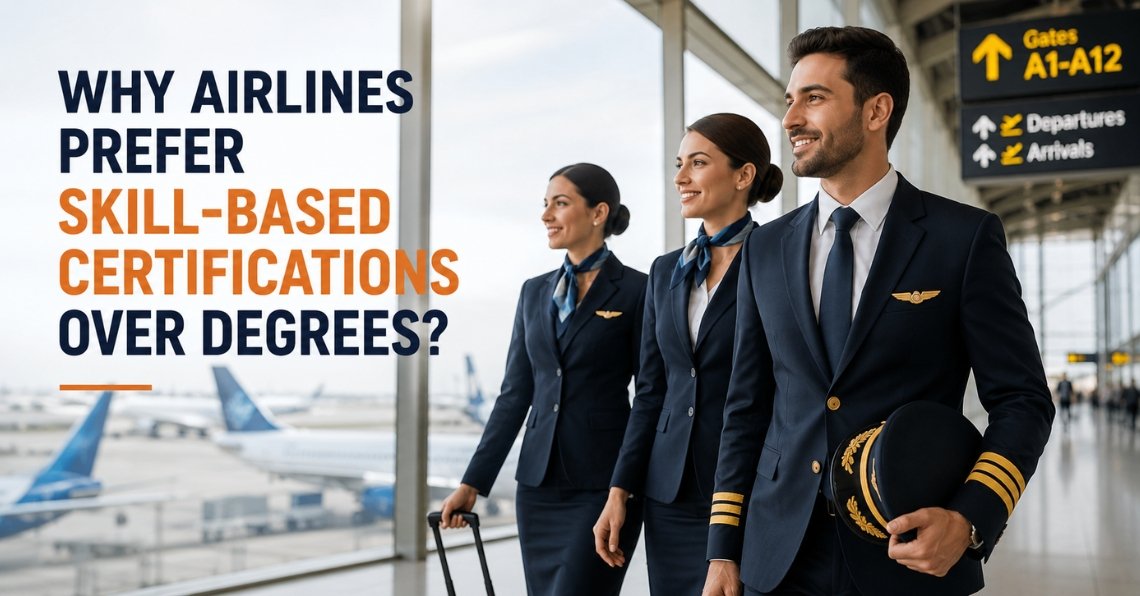
The aviation and travel industry is one of the fastest-evolving sectors in the world. With increasing global connectivity and rising passenger expectations, airlines today are not just looking for educated candidates, they are looking for skilled professionals who can perform efficiently from day one.
This shift has led to a growing preference for skill-based certifications over traditional degrees. Let’s understand why.
🎯 1. Industry Demands Practical Skills, Not Just Theory
A traditional degree often focuses on theoretical knowledge. However, airline roles such as ticketing, ground staff, cabin crew, and customer service require hands-on expertise.
Skill-based certifications train students in:
GDS systems (like Amadeus & Galileo)
Real-time booking procedures
Passenger handling & communication
Airport operations
At Ties Institute, students gain practical exposure that directly matches airline job requirements.
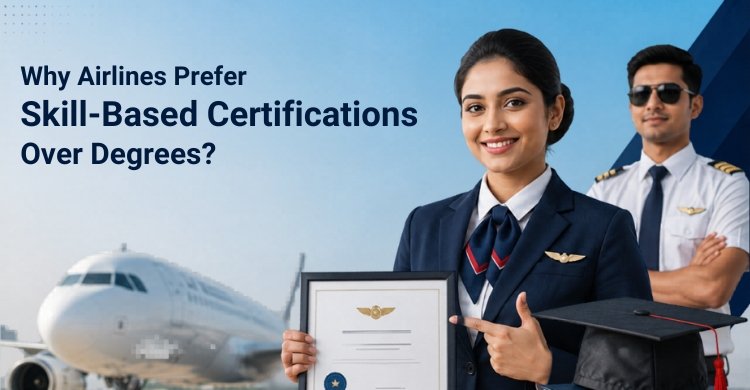
🚀 2. Faster Job Readiness
Airlines prefer candidates who can start working immediately without extensive training.
Skill-based courses:
Are shorter in duration
Focus on job-specific training
Prepare candidates for real-world scenarios
This makes certified candidates more attractive than degree holders who may still need training.
💼 3. Cost-Effective and Career-Focused
Spending 3–4 years on a degree doesn’t always guarantee a job in aviation. On the other hand, certification programs are:
More affordable
Directly aligned with industry needs
Focused on employability
Institutes like Ties Institute ensure students invest in skills that actually pay off.
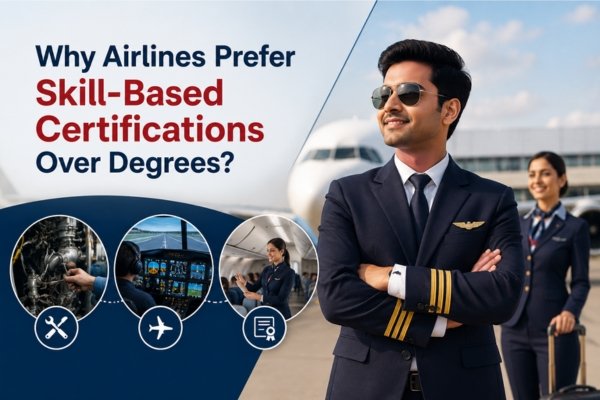
🌍 4. Global Career Opportunities
The aviation industry operates globally, and airlines look for standardized skills rather than generic degrees.
Skill-based certifications provide:
Industry-recognized training
Knowledge of international systems
Exposure to global travel protocols
This opens doors to careers not just in India, but worldwide.
🤝 5. Strong Industry Connections
Airlines often collaborate with training institutes that produce job-ready candidates.
At Ties Institute, students benefit from:
Industry expert sessions
Placement support
Real-world insights from professionals
These connections help bridge the gap between training and employment.
🧠 6. Soft Skills Matter More Than Marks
In aviation, communication, personality, and problem-solving skills are crucial.
Skill-based training focuses on:
Customer handling
Grooming & personality development
Crisis management
These are qualities airlines prioritize over academic scores.
✨ Conclusion
The aviation industry is evolving, and so are its hiring standards. Airlines no longer prioritize degrees alone, they seek skilled, confident, and job-ready individuals.
If you aspire to build a career in aviation, choosing a skill-based certification can give you a competitive edge and a faster path to success.
🌟 Start Your Journey with Ties Institute
At Ties Institute, we don’t just educate, we prepare you for a successful career in the aviation and travel industry.
With practical training, expert guidance, and strong placement support, your dream job is closer than you think.
✈️ Turn your passion for travel into a profession with Ties Institute!