
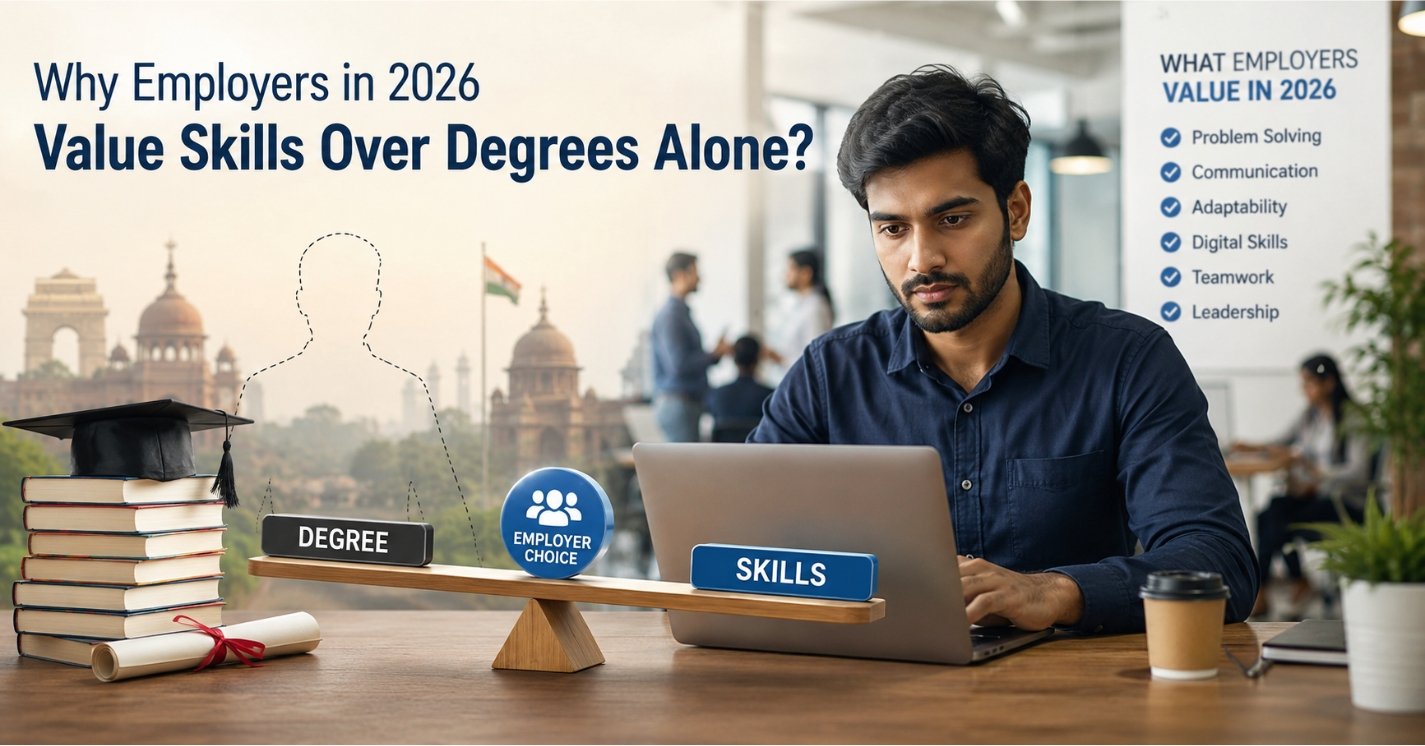
In 2026, the global job market looks very different from what it did a decade ago. While academic degrees were once considered the golden ticket to a stable career, today’s employers increasingly focus on practical skills, adaptability, and real-world performance.
At Ties Institute, we have observed this shift closely. Here’s why skills now carry greater importance than degrees alone in shaping professional success.
1. Rapidly Changing Job Roles Demand Practical Abilities
Technology and industries are evolving at remarkable speed. Roles in artificial intelligence, digital marketing, data analytics, UX design, and several other fields were not mainstream just a few years ago. Traditional degree programs often struggle to keep pace with newly emerging tools, platforms, and industry requirements.
Employers now prefer candidates who can begin contributing immediately and use their practical knowledge to solve real business problems.
2. Real-World Performance Matters More Than Paper Credentials
In 2026, companies do not simply ask, “What degree do you have?” They also want to know:
- Can you perform the responsibilities of the job?
- Have you demonstrated measurable results?
- Can you adapt to new challenges and technologies?
A person who has built projects, completed hands-on training, and mastered relevant tools can often perform better in real workplace situations than someone with theoretical knowledge alone.
3. Online Courses, Bootcamps and Certifications Are Bridging the Skills Gap
The rise of specialized training programs has made valuable professional skills more accessible than ever. From short courses in cloud computing to immersive bootcamps in full-stack development, learners can now:
- Learn according to their schedule
- Focus on the skills employers currently require
- Build portfolios that showcase practical work
Employers increasingly recognize these credentials because they represent current expertise, focused learning, and practical competency.
4. Project-Based Work and Portfolios Matter
Resumes are no longer evaluated only according to academic qualifications. Employers also assess projects, achievements, contributions, and measurable outcomes.
Employers commonly look for:
- Strong project portfolios
- Relevant work experience
- Client feedback and professional contributions
- Problem-solving capabilities
A strong portfolio can sometimes outshine a degree because it proves that a candidate can apply knowledge and produce meaningful results.
5. Soft Skills Are Becoming Essential
Technical knowledge remains important, but companies in 2026 also place significant value on professional and interpersonal abilities, including:
- Communication
- Critical thinking
- Collaboration and teamwork
- Creativity
- Adaptability
These abilities are not guaranteed by earning a degree alone. They are developed through practical experience, self-directed learning, teamwork, and exposure to dynamic work environments.
6. Cost and Accessibility of Traditional Education
Higher education can be expensive and may not be accessible to everyone. Skills-based learning creates opportunities for talented individuals from different educational, financial, and social backgrounds.
When employers focus on what candidates can do instead of relying only on formal qualifications, they gain access to a wider and more diverse talent pool.
7. The Future of Hiring Is Outcome-Driven
Employers need professionals who can solve business problems and contribute from the beginning. Hiring skilled candidates helps organizations:
- Innovate faster
- Reduce training costs
- Build agile and adaptable teams
- Achieve measurable business outcomes
Degrees continue to hold value, especially in professions that require formal qualifications. However, they are now only one part of a much larger employment picture.
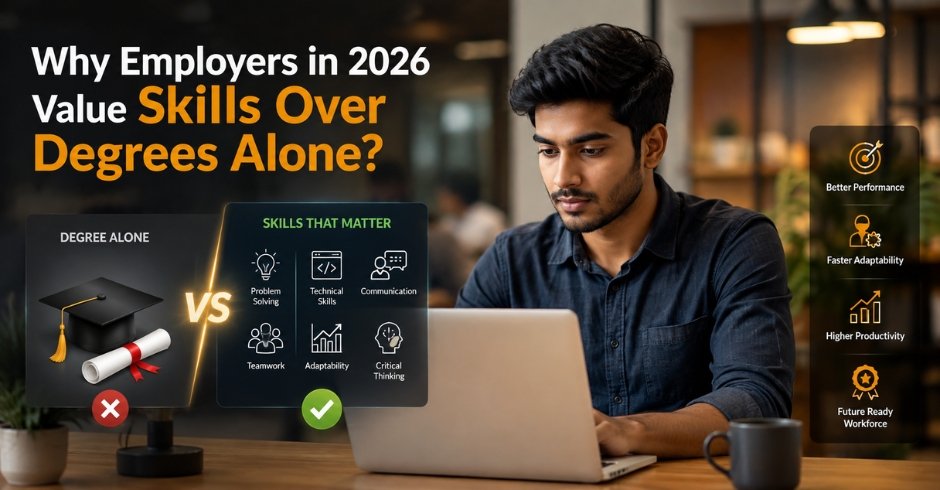
Conclusion: Skills and Mindset Create a Career Advantage
In 2026, employers value skills over degrees alone because the future of work demands:
- Practical expertise
- Continuous learning
- Demonstrated accomplishments
- The ability to adapt
At Ties Institute, we promote skill-focused learning that helps students develop the practical capabilities employers seek today. Whether you are beginning your career or developing new skills for a different role, prioritizing relevant skills can create opportunities that a degree alone may not provide.
Ready to Future-Proof Your Career?
Start building the practical skills employers want, not just collecting certificates. Explore the career-oriented courses and industry-focused training programs available at Ties Institute.