
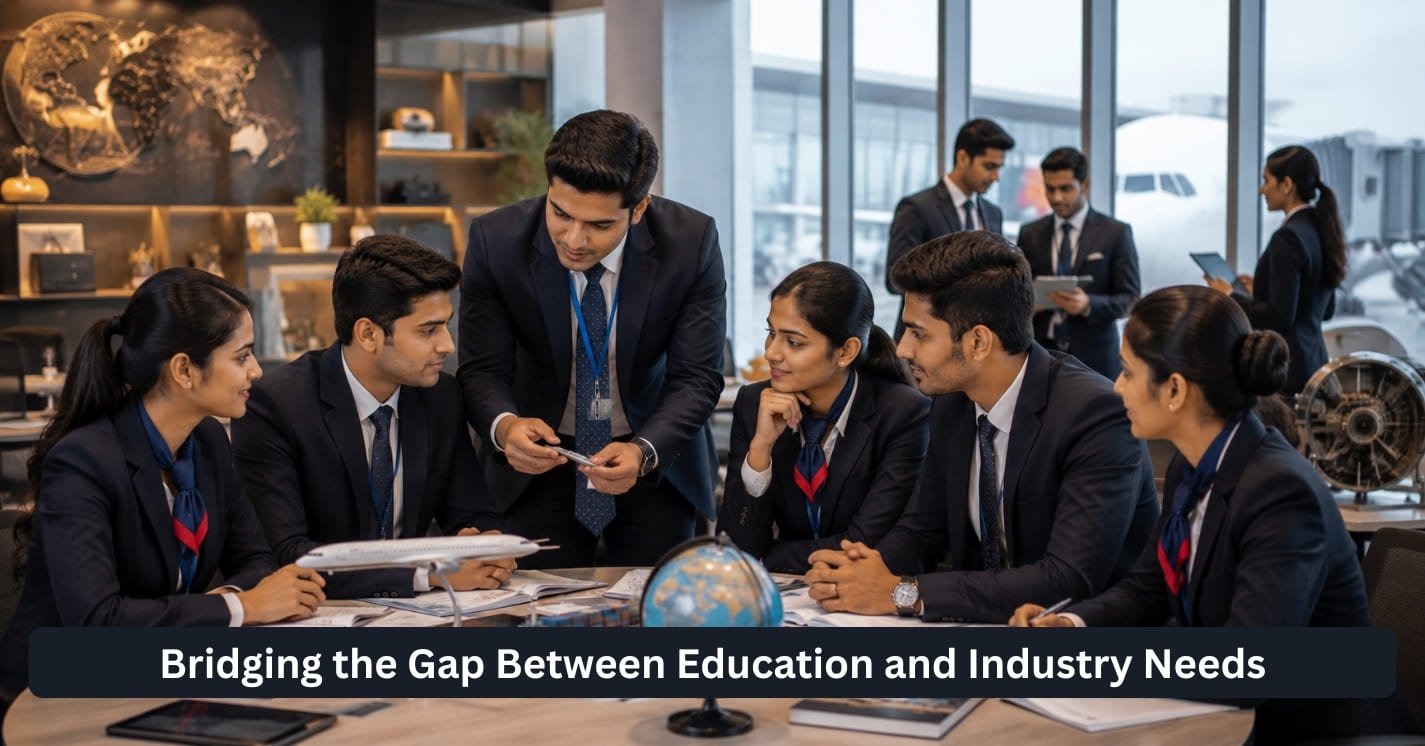
In today’s fast-evolving global economy, one challenge continues to dominate conversations among educators, employers, and policymakers alike: the widening gap between education and industry needs. While academic institutions focus on theoretical foundations, industries increasingly demand job-ready professionals equipped with practical skills, adaptability, and real-world exposure. Bridging this gap has become critical for sustainable workforce development—and this is where Ties Institute plays a transformative role.
Understanding the Education–Industry Skill Gap
Rapid technological advancements, digital transformation, and changing consumer expectations have reshaped industries faster than traditional education systems can adapt. As a result, many graduates face skill mismatches, limited employability, and prolonged job searches.
Key contributors to the gap include:
- Outdated curricula not aligned with current industry standards
- Limited hands-on training and practical exposure
- Lack of soft skills, digital literacy, and workplace readiness
- Minimal collaboration between academic institutions and employers
Why Industry-Aligned Education Matters
Industry-aligned education ensures learners acquire future-ready skills that meet real market demands. Employers today seek professionals who are not only qualified but also adaptable, skilled, and productivity-ready from day one.
Benefits of bridging the gap include:
- Higher employability and career readiness
- Reduced training costs for employers
- Faster workforce integration
- Stronger economic growth and innovation
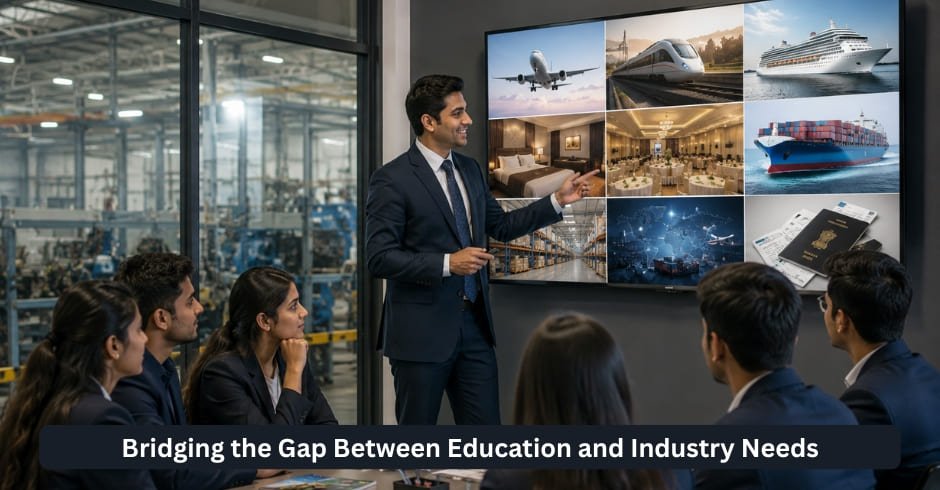
Ties Institute’s Approach to Industry-Relevant Learning
At Ties Institute, education goes beyond classrooms. The institute focuses on creating a strong ecosystem where education, skill development, and industry collaboration intersect.
1. Industry-Driven Curriculum
Courses are designed in consultation with industry experts to ensure alignment with current trends, tools, and job roles.
2. Practical & Experiential Learning
From hands-on training and simulations to real-world projects, learners gain practical exposure that mirrors actual workplace environments.
3. Skill-Based Training Programs
Emphasis is placed on both technical skills and soft skills, including communication, leadership, problem-solving, and digital competence.
4. Industry Partnerships & Internships
Collaborations with leading organizations provide students with internships, apprenticeships, and placement opportunities—bridging the transition from learning to earning.
The Role of Skill Development in Employability
Skill development has emerged as a key driver of employability in sectors such as tourism, hospitality, service industries, and emerging digital domains. Job-oriented training programs help learners stay competitive in a rapidly changing job market.
Trending skills employers seek today:
- Digital and technological proficiency
- Customer experience management
- Critical thinking and adaptability
- Professional communication and teamwork
Preparing a Future-Ready Workforce
Bridging the education-industry gap is not a one-time effort—it requires continuous curriculum updates, strong industry engagement, and a learner-centric approach. Institutions that prioritize industry relevance, skill-based education, and lifelong learning will shape the workforce of tomorrow.
Conclusion
As industries evolve, education must evolve with them. Bridging the gap between education and industry needs is essential to empower learners, strengthen employability, and support economic growth. Through its industry-aligned programs, practical training, and strong employer connections, Ties Institute is committed to transforming education into meaningful careers, ensuring students are not just qualified, but truly job-ready.
Industry needs continue to evolve, and education must evolve alongside them. Bridging the gap between education and industry is essential to empower learners, improve employability, and drive economic growth. At Ties Institute, we are committed to transforming education into successful careers through industry-aligned programs, practical training, and strong employer connections, ensuring our students are not just qualified but truly job-market ready.
If you are looking for Travel & Tourism courses in India or career-oriented professional training, Ties Institute provides the practical skills, industry exposure, and career support you need to build a successful future.